When you borrow with a personal loan, you agree to repay it according to a schedule. If you miss a scheduled payment or otherwise fail to repay under the agreed terms, your loan enters a state called personal loan default. A personal loan default can seriously harm your financial health.
Default doesn’t just mean a late payment—it means your loan is officially in breach of contract. Once in default, lenders may take collection actions, report the default to credit bureaus, and even pursue legal remedies. In short: personal loan default can trigger a chain reaction with lasting consequences.
In this article, we’ll explain how personal loan default works, dive into its potential consequences, and walk you through smart ways to avoid default—or limit the damage if it’s already happened.
What constitutes a personal loan default
A personal loan default is triggered when you fail to make a payment by the agreed‑upon due date. Even if your lender offers a short grace period or allows a late payment, default typically takes effect soon after the payment is unmet by the due date.
In other words: skipping or delaying a required payment isn’t just a short-term setback—it can send your account into default status. Once that happens, lenders consider the loan delinquent, and the risks multiply.
Personal loan default can damage your credit
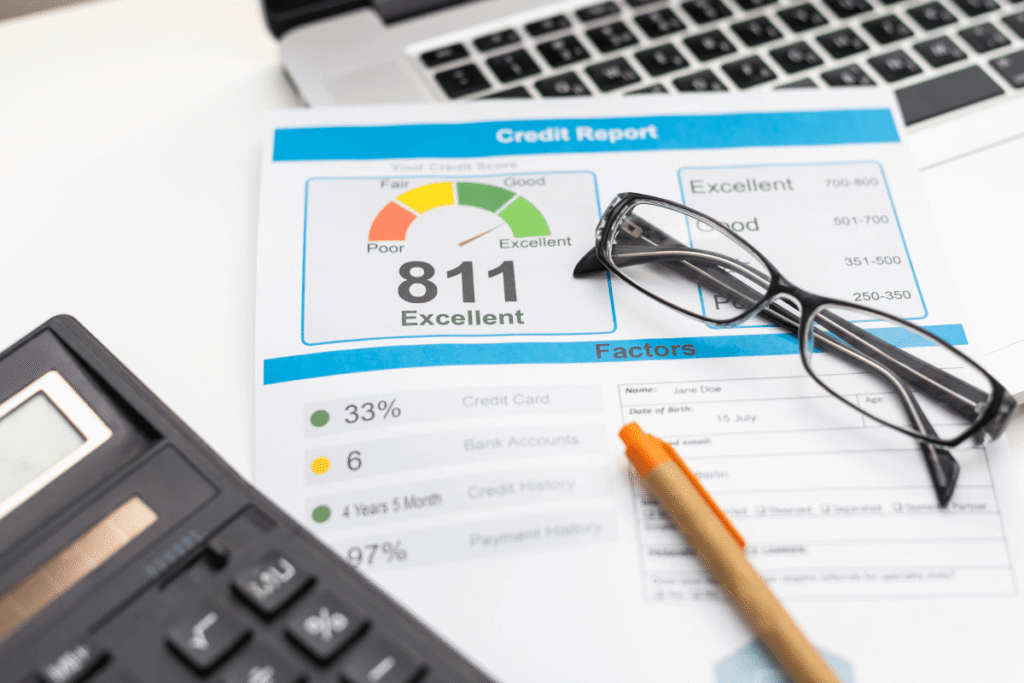
When you default on a personal loan, the lender can report the delinquency to credit bureaus, and that negative mark may stay on your credit report for up to 10 years. Even 1 default can significantly lower your credit score, making future borrowing more difficult or expensive.
Collection actions and fees result from default
After a personal loan default, lenders often pursue the outstanding amount. You may be liable for late fees, extra charges, or added interest. Over time, missed payments and accumulating fees can make the debt grow quickly.
You could face legal and collection if you default
While a personal loan default isn’t a criminal offense, lenders may hand your account over to a collections agency. If non‑payment continues, they could even bring a lawsuit against you. That kind of legal pressure can be stressful, costly, and depending on your state, may include wage garnishment or asset seizure.
Personal loan default could result in higher borrowing costs
Once you’ve had a personal loan default, getting new credit—be it a loan, mortgage, or credit card—will likely cost more. Lenders see you as a higher risk, which can mean higher interest rates or an outright decline.
How to avoid personal loan default
Preventing a personal loan default is almost always better than dealing with it after the fact. Use these 5 practical strategies to stay on track.
- Set up reminders or auto‑pay
Missed payments often happen simply because you forget the due date. Write down payment dates and keep them somewhere visible. Better yet, set up automatic payments so you never miss a payment. A little organization goes a long way. - Communicate with your lender proactively
If you expect trouble making a payment, contact your loan servicer immediately. Many lenders are willing to work with borrowers and offer options such as deferment or forbearance to temporarily pause or reduce payments. - Consider consolidating multiple debts
If you’re juggling several debts at once, consolidating them into a single loan with a lower interest rate can simplify your finances. Debt consolidation can reduce monthly payments and make it less likely you’ll default on any one loan. - Build a buffer for emergencies
Unexpected expenses like medical bills, car repairs, or job loss can strain your budget. Establishing a small emergency fund can help you make your loan payments on time, even when life surprises you. - Track your budget and expenses
Keeping a close eye on income and spending helps you anticipate months where money might be tight. A clear budget gives you a better chance to avoid cash‑flow problems that cause default.